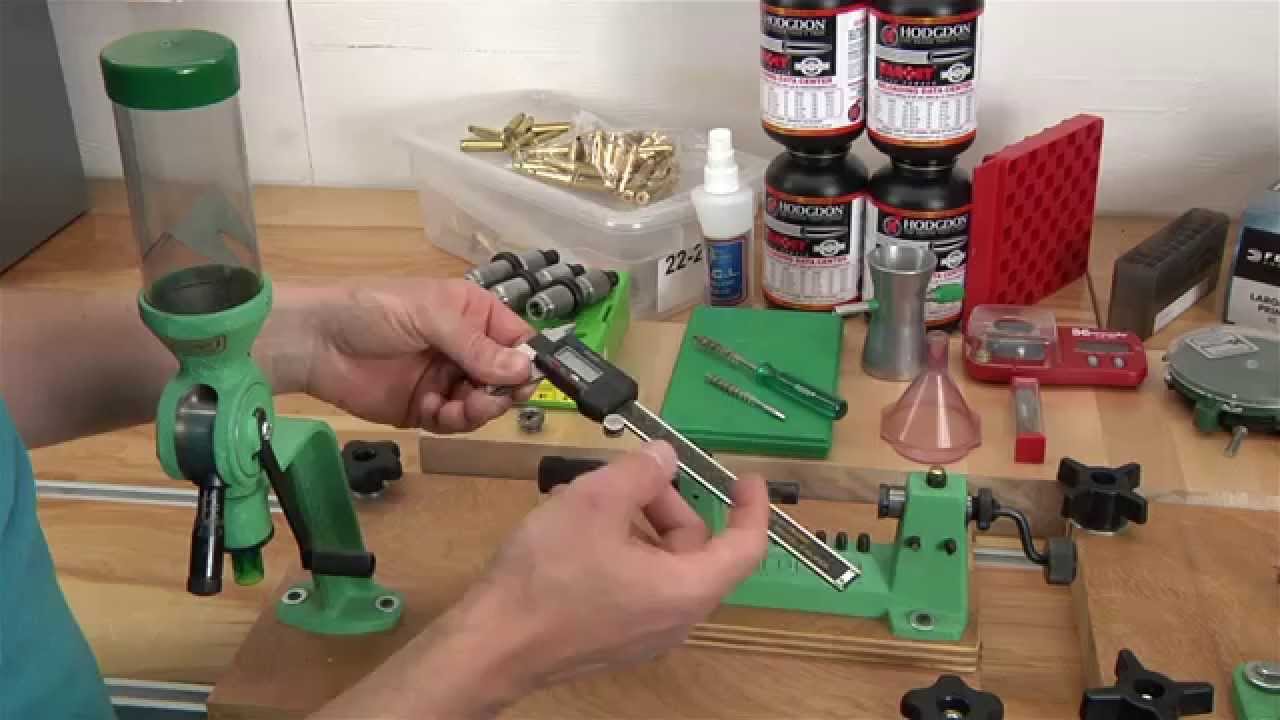
Reloading ammunition is a great way to save money and create custom loads for different guns. However, reloading requires precision and attention to detail. Mistakes can happen even to experienced shooters.
One of the most common mistakes is mixing up components like powders, primers and bullets. This can lead to unsafe pressures that can cause serious damage or injury.
Overcharging
One of the most serious mistakes reloaders can make is overcharging the cartridge. This can lead to a fire that can damage the firearm and potentially cause injury or death. To avoid overcharging, always double-check your powder charges with a reliable scale and consult the instructions in your reloading manual.
Another common mistake is not properly crimping the bullets. This can allow gases to escape past the projectile and even possibly injure the shooter. To avoid this, always follow the reloading instructions included with your press and rely on the manufacturer’s crimping dies.
Finally, it’s important to only reload for a few calibers at a time and to always use quality, trimmed cases. Also, never re-use cases that have been damaged. Thoroughly clean your once fired brass using a tumbler or ultrasonic cleaner and always resize them according to the instructions in your reloading manual. This will ensure consistency and prevent premature wear of your reloading dies.
Using the Wrong Type of Powder
One of the most common mistakes made by beginner reloaders is using the wrong type of gunpowder. This usually happens when shooters use homebrew recipes that are found on the internet or from other reloaders. It is important to stick with the data provided by reloading experts to ensure consistent results.
It is also crucial to make sure that reloaders are working with the correct powder for their caliber. Using the incorrect type of gunpowder can lead to unsafe pressures and unreliable ammunition.
The best way to avoid mixing up different types of gunpowders, primers and cartridge cases is to keep them separated and always refer to a reloading manual. In addition, it is critical to store gunpowders in safe and secure locations where they will not be exposed to heat or flames. It is also a good idea to keep small children away from reloading equipment and supplies. This will help to prevent accidents or injuries.
Getting the Bullet Seating Depth Wrong
This is a common mistake that can lead to misfires and overpressure. You must
ensure that the bullet is seated at the right depth to prevent it from hitting or touching the lands of the rifling, which could cause damage to the gun and/or the cartridge.
You should always consult a detailed and trusted reloading manual to get the correct seating depth for your specific cartridge. In addition, always follow the instructions for your reloading press and primer tube, and ensure that the tube fits correctly in the tool.
Also, when you are working with once fired brass, make sure that it is inspected and thoroughly cleaned to remove any debris or residue. Finally, always keep your reloading supplies in a secure and locked area where children can’t reach them. This includes powder, primers and bullets. It is also important to keep good records of your work and results. This is vital to avoid repeating mistakes and to improve your accuracy over time.
Using Untrimmed Cases
When reloading, you need to pay close attention and do quality control checks on your ammunition. Using calipers to measure case dimensions, checking primer seating depth and visual inspections can catch errors like cracked cases before they cause damage or danger.
One of the most common mistakes is using untrimmed cases. Cases get longer over time, even after being resized, and they need to be trimmed to the correct length. Not doing this can create excessive case pressures in the rifle that could result in serious injury or death.
Another mistake is not keeping track of powder types and bullet calibers. This is a safety issue because you could accidentally put 7mm bullets in a 270 caliber cartridge, creating chamber pressures that far exceed the rifle’s design. It’s also important to keep all components separated and stored in their original containers.
 Informative Website
Leave a comment